How to Start a Cafe in Spain: A Step-by-Step Overview

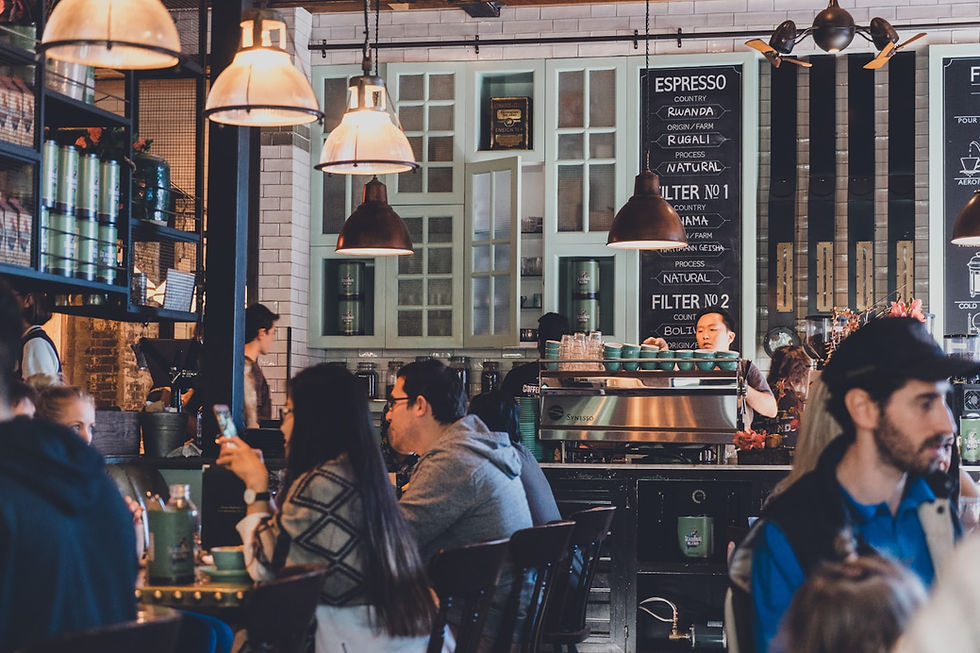
Opening a cafe in Spain is one of the most popular small business dreams for both locals and expats, and for good reason. The country has a deep coffee culture, steady foot traffic in its cities, and a hospitality scene that rewards good food and genuine atmosphere. But turning that dream into a working business takes planning. Here's a clear overview of the steps involved.
1. Define Your Concept
Before anything else, decide what kind of cafe you're opening. A specialty coffee bar, a brunch spot, a bakery-cafe hybrid, and a traditional Spanish cafeteria all have very different costs, staffing needs, and target customers. Your concept will shape every decision that follows, from location to menu to licensing.
2. Write a Business Plan
A solid business plan covers your concept, target market, competition, pricing, projected costs, and expected revenue. Spanish banks and investors will expect to see this if you need financing, and it also forces you to think through problems before they become expensive surprises.
3. Choose a Legal Structure
Most small cafes in Spain register either as an 'autónomo' (sole trader) or form a limited company known as a 'Sociedad Limitada' (SL). Sole trader status is simpler and cheaper to set up, while an SL offers more legal protection for your personal assets. The right choice depends on your investment size and risk tolerance, and it's worth getting advice from a local gestor or accountant.
4. Register Your Business

Registration involves getting a tax identification number (NIE for foreigners, or NIF for Spanish nationals), registering with the Spanish Tax Agency, and signing up for Social Security if you're self-employed. This is also when you'll register your business name and, if relevant, incorporate your company.
5. Secure a Location and Licenses
Once you've found a space, you'll need a municipal opening license (licencia de apertura), which confirms the premises meets safety and zoning requirements for food service. You'll also need health and food handling permits before you can serve anything.
6. Fit Out the Space
This covers everything from kitchen equipment and furniture to your espresso machine, point-of-sale system, and decor. Costs vary widely depending on whether you're renovating an existing cafe space or building out a shell unit from scratch.
7. Hire and Train Staff
Spain has specific labor laws and standard hospitality contracts. Make sure your hiring process and contracts comply with local employment regulations, including registering employees with Social Security before their first shift.
8. Open and Market Your Cafe
A strong opening pushes word of mouth early. Local social media, a simple but professional website, and partnerships with nearby businesses all help build initial momentum.
Final Thoughts
Opening a cafe in Spain is achievable with the right preparation, but the legal and administrative side takes real time. In the next posts in this series, we'll break down costs, required documents, and other practical details in more depth.


Comments